Bali Terrace: バリーテラス & Halloween Kimono Party

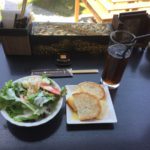
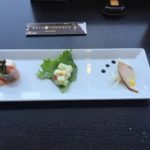
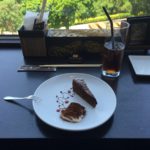
I first went to Bali Terrace in Urasoe for lunch awhile back. It is a sort of French/Italian kind of restaurant, and for lunch has set menu choices (entree such as pasta, chicken, fish, etc) with a semi-viking salad/drink bar (the cost is reasonable, maybe ~1300yen).

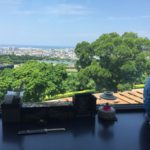
The interior is really interesting and comfortable; the view is quite amazing, as the restaurant is on the second floor of the building, perched atop a hill overlooking the ocean in the distance. They even take advantage of the view by having (indoor) tables that look directly out the windows, sort of like cushy sofa seating with plenty of pillows.

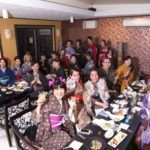
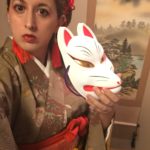
A second-hand kimono shop advertised a Halloween kimono dress-up event to be held here. So, since I knew the food would be decent, I decided to buy a ticket. Plus I could practice wearing kimono. I decided to go as “kitsune” (fox demon). I bought a cheap mask off amazon.jp, and coordinated some fall-woodsy colors with my brown kimono.

The ticket was for tabehoudai/nomihoudai (all you can eat and drink) party plan, so they brought out various foods throughout the night and filled drinks. This type of service is very popular for drinking parties in Japan, so you do not have to think about what to order, they just have various sets that they bring out throughout the night.

There were all sorts of nice foods served; pasta, gnocchi, pizza, salad, fried potatoes, deer carpaccio, sausages, cheeses… a nice place for this sort of event. Everyone had a lot of fun and chatted through the evening. All the kimonos were so cute, too.

address: 沖縄県浦添市仲間1-24-26 https://goo.gl/maps/suXHGbijaV22

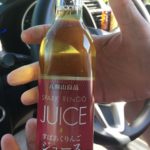
A few lunch time pictures:

Jozankei & Date: 定山渓&伊達

The last full day in Hokkaido, we decided (a little impulsively) to go ahead and drive down towards Lake Toyo and Date areas. We did not have much of a plan, other than to make some stops along the way and enjoy the fall colors.

We started the morning with an early stroll round town, just admiring the atmosphere in general before heading to the hotel breakfast. After breakfast we soaked in the hotel onsen before we jumped into the car and started on our way.

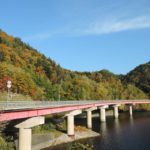
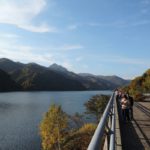
Our first stop was Hoheikyo Dam. Good thing we did this early, just as it opened (9am)… it was a Sunday. When we arrived there was enough parking, but as we left… there was a long line of cars waiting to park! This dam is on Jozankei Lake (funny, Jozankei dam is on another lake…). Anyway, we parked and started towards the dam. There are 2 options: a rather quick but crowded round trip bus ticket, or a 40 minute walk up a slight slope. We had a busy day ahead of us so we chose the bus. There were 4 buses continually making round trips, so there was not really a wait. At the dam/lake you can walk around and enjoy the leaves and the fresh air. Many people come to take photography, picnic, etc. It was really nice! But.. somewhat of a crowd! One thing I will mention: if you do not rent a car to drive to this dam, you can take a city bus– BUT it will have to wait in the SAME traffic as those waiting (to get in) to park at the dam parking lot… so you do not save any time!! Although the crowds are probably only during the Autumn season (so weekends in October)… probably other times of the year (or weekdays) are much quieter.

After the dam, we got back into the car and continued our road trip. Along the road we stopped at many local produce stands and a pasture with ice cream (yes, I ate MORE ice cream!) and cheese. There was also a road side michi-no-eki 道の駅 (service station), which was in Kimobetsu 喜茂別. Road side stations are popular stops in Hokkaido and each is supposed to be known for a certain food. I noticed a line for something called age-imo 揚げいも, which means fried potato. My husband was reluctant to stand in line but I insisted I would and he could use the restroom and get drinks; the line though long was quick, less than 10 minutes. Not sure what to order I just chose the number one regular age-imo  and hand-cut chips. They had some other stuff, but everyone was getting age-imo. Oishii~~ ! My husband was surprised to find me food in hand already, so I added some (free) sauces to my giant stick of 3 age-imo balls (it looked like an oversized dango!) and sat outside on the bench to devour. The age-imo is a cooked (reasonable sized) potato covered in batter (sort of like a corn-dog) and fried. It sounds weird, but it was really good, especially with the garlic sauce. The hand-cut chips were also crispy and hot. I highly recommend making a stop here if you are anywhere near the area!

Anyway, we continued our trip down the road, making many small stops along the way. We reached our “destination” of Date and stopped at the park next to the Bocca restaurant. While somehow associated with Bikkuri Donki, do not be fooled… this place makes its own fresh mozzarella and puddings. For lunch, my husband and I split caprese salad, margerita pizza, and potato-cheese soup. It was all very good. We also got pumpkin-caramel puddings to go… amazing.

At this point it was time to start heading back to Jozankei, and make any stops we missed along the way; one of these was the mushroom kingdom store. There were so many types of mushrooms and mushroom products. Plus you could get miso-mushroom soup (loaded with many types of mushrooms) for only 100yen.

As we headed back, traffic up to the Hoheikyo dam was really backed up. So, why not stop and relax in the Hoheikyo onsen? We were (barely) able to get parked, since this was a popular idea.

The building is a little run-down, and it was very crowded with people taking a rest from the stopped traffic. The facilities were similarly pretty “tired” looking, and the amenities scarce; I have been in rustic onsen that you could claim are traditional or retro, which makes them charming, but I don’t feel it applies to this onsen… “tired” is the best description. The changing room was elbow to elbow, make sure to have enough 100yen coins for shoe lockers, etc. Entering the bathing area was similarly crowded, and there was a bit of a wait for people to rinse off to get into the bath, as there were only about a dozen wash stations. After a good soap, rinse, etc., it was onsen time. There were 2 onsen; one inside and one outside. Almost no one was inside, everyone was outside. And, really it makes sense. The air was comfortable, the water warm, the scenery quite beautiful. Despite its tired and somewhat drab building, it was fairly refreshing. The outside onsen was a decent size, so it was not too crowded, plenty of space for everyone. While I would not necessarily recommend this onsen to everyone, it was not too bad… just be prepared for crowded weekends during autumn foliage season. Otherwise the place is probably pretty quiet during the off season.

After a good soak, I changed back into my clothes and drank a beer while hanging out with my husband for a bit, hoping for the traffic to die down a bit. There was an Indian restaurant in the onsen, but opted out of it after eating all day, plus there was a long wait to get in. When we left, it was still fairly bumper to bumper with people returning home after a long day of leaf-viewing, but we managed to make it back to the hotel. *Special note: this onsen allowed tattoo. It also allowed drinking beer while in the outdoor bath, but the older Japanese ladies gave stinkeye to the younger (and mostly foreign) ladies doing this. On the men’s side my husband said many of the ojiisan had a beer.

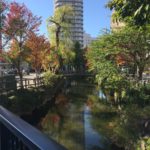
Back at the hotel, we took a night walk to enjoy the illuminated pathway by the river and the bridges, before going back to the room and relaxing with some beers. The next morning was an early day to head back to the airport. Since we were returning the rental car to the airport, the drive was quite lovely and we ended up taking the “back roads” and stopping at a waterfall area, perfect to see some ore autumn leaves!

The Sapporo airport was much larger than we anticipated; there is HelloKitty area, Doraemon area, Royce Chocolate factory, a spa, a cinema… we did not have much time unfortunately, but I was able to make some omiyage purchases and grab some goodies for the plane ride home!

Full album on imgur:

Hokkaido 北海度

Previous days here and here.
 

Jozankei: 定山渓 (part II)

Continued from Sapporo (part I).

After spending the morning in Sapporo, we loaded into the rental car and started our route towards Jozankei onsen town for some leaf-peeping.

On our way out of the city, we stopped in some orchard areas, tasted some fruits, and purchased some snacks for the road. We also stopped at a winery, which had wines and hard cider (real hard cider, not just soda!).

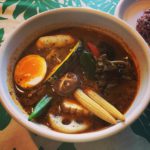
After trying some wine, we stopped at a soup curry restaurant for lunch… yum! This place was nice, you had several choices to customize your order. Right after lunch my husband wanted to stop at a conbini; next door was an ice cream shop and many people were indulging despite the chilliness in the air… so of course even though I am stuffed, I have to try some! I ordered camembert cheese flavor, it was really good!

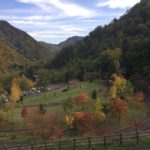
The next stop was at Jozankei Dam to check out some autumn leaves (kouyou 紅葉). It was gorgeous. There are 2 locations,  one at the dam itself where there is a museum, and one on the lake overlooking the dam.

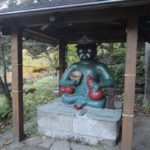
Afterwards we headed to the hotel, checked in, grabbed a town map and set off to explore Jozankei. There are many kappa statues hidden all over. The town itself if rather small and not so many shops or restaurants, but it was nice. There are a few footbaths and even a hand bath. The river had a nice walking path, which is illuminated at night. The leaves were pretty but dusk settled in quickly being up north. After strolling around the whole town, we felt a bit tired so we grabbed some beers and snacks as we headed back to the room. Back at the hotel I changed into yukata and relaxed in the onsen baths.

Kappa 河童 are a type of yokai 妖怪 demon that inhabit rivers and lakes in Japanese folklore, supposedly luring people in, sometimes paying harmless pranks to drowning. Supposedly cucumbers are the favorite meal (ever heard of kappa-maki, a type of roll sushi?). Jozankei has many statues of kappa scattered all over.

continued in Part III: Jozankei & Date.

There are too many wonderful pictures from the trip, so here are the highlights. For more, go to the imgur album here.
 

Sapporo: 札幌 (part I)

We took a 3-day trip to Hokkaido, stopping over in Sapporo overnight, then continuing on to Jozankei Onsen. It was October, so the weather was crisp, and the leaves were turning!

We arrived Friday night in Sapporo; our bags came quickly and we jumped onto the JR train from the airport to the city. IC cards are accepted here, so I used my PASMO without worrying about separate train tickets. The ride was not so short, maybe about 45 minutes.

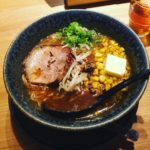
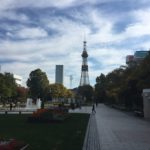
We made it to our cheap hotel just south of Susukino area, checked in, and got ready to see the nightlife. We decided to walk from our hotel up towards Sapporo station area, even though it was a bit chilly. Most of the tourist sites were closed at this time, but we could at least enjoy the views. We walked by Odori park, Sapporo TV tower, Sapporo clock tower, the Sapporo Beer Hall… and stopped for some famous Sapporo miso ramen topped with corn and butter for dinner! We passed by the touristy “Ramen Alley,” but continued on to a smaller place out of the way, which happened to be quite popular with the local crowd.

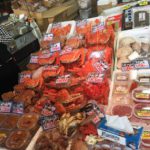
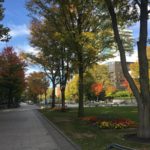
The next morning, we got up early and ate hotel breakfast which came with the room; this is very popular in Japan unlike the US, so consider trying the hotel breakfasts.. it is nothing like the stale pastry and cereal that make up the typical “continental breakfast” at many budget US hotels. Afterwards, we walked to the Nijo seafood market and back to Odori park for some day time photos. The leaves in Sapporo were only just starting to turn, but it was lovely anyway.

At this time, we needed to check out and pick up the rental car… time to drive to Jozankei!

Our time in the city of Sapporo was wayyy too short! We have already decided we need to go back another weekend. Maybe when the weather warms up…

continued in Part II, Jozankei Onsen.

For more trip photos, go to the imgur album here.
 

Floresta Nature Doughnuts: ドーナツ

ドーナツ doh-na-tsu is “donuts.”

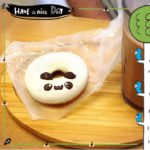
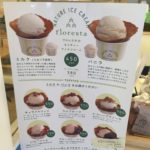
A while back I had the cutest doughnuts at Floresta in Naha. It is a chain from Nara, in the mainland of Japan.

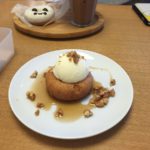
They are ultra-cute and natural donuts, making the famous “animal” donuts (doubustsu donuts どうぶつドーナツ)… I got a panda. The products are made with Hokkaido flour and organic soy milk. Prices here are be higher than MisDo, but the quality is very good. There is also ice cream… besides the panda donut, we got a maple-walnut donut sundae with milk ice.
company website: http://www.nature-doughnuts.jp

address: https://goo.gl/maps/2JeuYvxeEuB2
〒900-0005沖縄県那覇市天久2丁目29-3 タートルマンションQ 1F

Wearing Kimono: 着付け

着付け kitsuke: wearing/putting on kimono. This is truly an art form! But if I can do it, anyone can. I have not taken formal lessons, although I suppose I should at some point… as you can see in pictures below I am not very good but hopefully I can practice and improve some of the key points to “good kimono technique.” There are some guides online in Japanese which are very good for a beginner like me; there are also some English resources, but it is hit or miss as to how useful they are (some had good information and instructions, but others were significantly less informative). If you are interested, I recommend checking out some youtube videos on kimono dressing, yukata dressing, and obi tying, as well as tips and tricks to look good, and even tons of hair/make-up to match. This post is not a comprehensive guide, just the initial impressions of a beginner to the kimono scene.

Yukata is quite a bit simpler to put on than kimono, so after a collecting all the fiddly bits needed to put on kimono properly, I was finally ready to begin practicing with the kimono I purchased at the bargain sale. I bought the various accessories online and at second hand stores. Okinawa is not exactly mainland Japan, so very few stores even sell the pieces needed for kimono dressing, and ones that do tend to be a bit expensive. The obi-age (decorative scarf) and obi-jime (decorative cord) I was able to purchase cheaply at second hand shops (OFF-HOUSE is excellent for finding cheap bits and pieces).

So, here is the final list of items that I used for my first attempt, which is pretty much the minimum you should have to try and wear kimono. Obviously, you could use some different items, or make some substitutions to cut down on cost. Or you could go all out and add-in some of the extras (hair pieces, decorative collar, etc) to look super fancy.

  • hadajuban 肌襦袢: this piece may not be necessary if you want to simple use a camisole and leggings of some sort. It is simply thing cotton one-piece to protect the kimono from sweat and such.
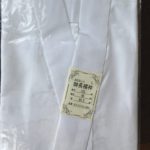
  • nagajuban 長襦袢: this piece is more necessary. It is also an undergarment, but it features long sleeves to line the kimono sleeves and a collar (you can attach a fancier one if you wish) that should be exposed. I have seen some pictures with people definitely not wearing one of these with kimono, and without the exposed collar lining it looks a bit silly/strange, so I recommend to have some version of this. I think the effect is much cleaner and nicer looking. Yukata do not need the collar (although you can if you want), but kimono just does not look right without it. Some people use like a hadajuban and just attach a separate collar piece (the collar itself is called haneri 半襟, there is something called “easy collar” 簡単半衿, kantan haneri)– this is economical and probably a lighter feel, so I may just try this sometime. Okinawa is fairly hot and humid, so during warmer months, this would feel more comfortable. **Note: I have 2 types of nagajuban: 1 is a summer type and very thin/meshy (great for Okinawa!) and the second is a solid polyester-type fabric for cooler weather (only necessary for winter here in Okinawa).
  • erishin 衿芯: collar stiffener put through the nagajuban. It gives the beautiful collar shape.
  • koshihimo 腰紐: fabric ties to secure undergarments and kimono. You can instead use an elastic waist belt (often sold as a pair with korin belt), though it is handy to have some of these for helping tie obi (you remove them in the end, it just helps you keep it secure while adjusting the obi).
  • korin belt コリンベルト: help stabilize the kimono collar area (secured around the body under the bust area.
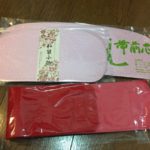
  • tabi 足袋: split-toed socks.
  • datejime 伊達締め: used to secure the waist below the bust, where the obi will be tied.
  • magic belt マジックベルト: a type of datejime with velcro, can be used instead of, or with the regular datejime. Usually one is used over nagajuban.
  • obiita 帯板: stiff plate inserted between obi and kimono to maintain shape.
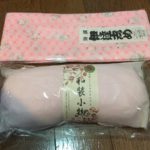
  • obimakura 帯枕: makura means “pillow,” it is used to give the obi a beautiful shape.
  • obiage 帯揚げ: decorative cloth, also used to secure obimakura and obi.
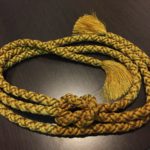
  • obijime 帯締め: braided decorative cord, also used to secure obi. *you can use a obidome 帯留め decorative piece with this too.
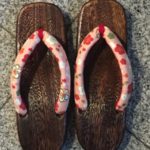
  • geta 下駄: wooden sandals worn with kimono and yukata. You could also wear zori 草履 sandals, which tend to look a little fancier.
  • And of course a kimono 着物 and obi 帯.

For these pictures I used a Nagoya obi 名古屋帯, which is pre-stitched to make tying the taiko musubi easier. I have another fukuro obi 袋帯 as well, which can be used for the taiko musubi or some other types of knots as well. For informal kimono, either of these are a good choice. There are many rules as to which knot should be made with which obi should be worn with which kimono for which occasion during which season… etc. Do not feel overwhelmed. Honestly, just choose some things that you like and complement your appearance; many people, especially young people, do not know all of the rules, or even care to. People will be happy to see you in kimono, so have fun and don’t worry too much about adhering to any strict rules.

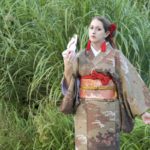
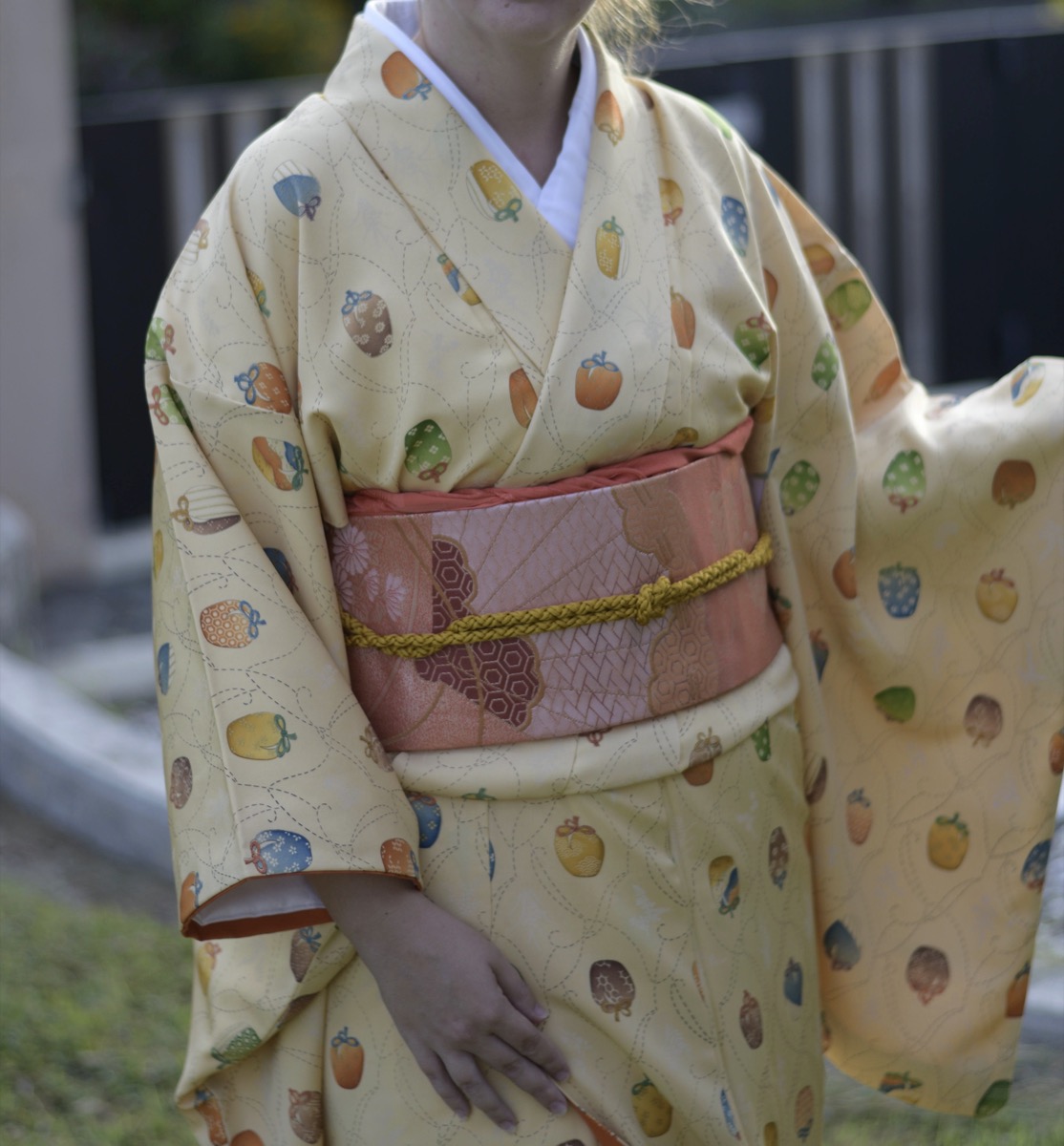
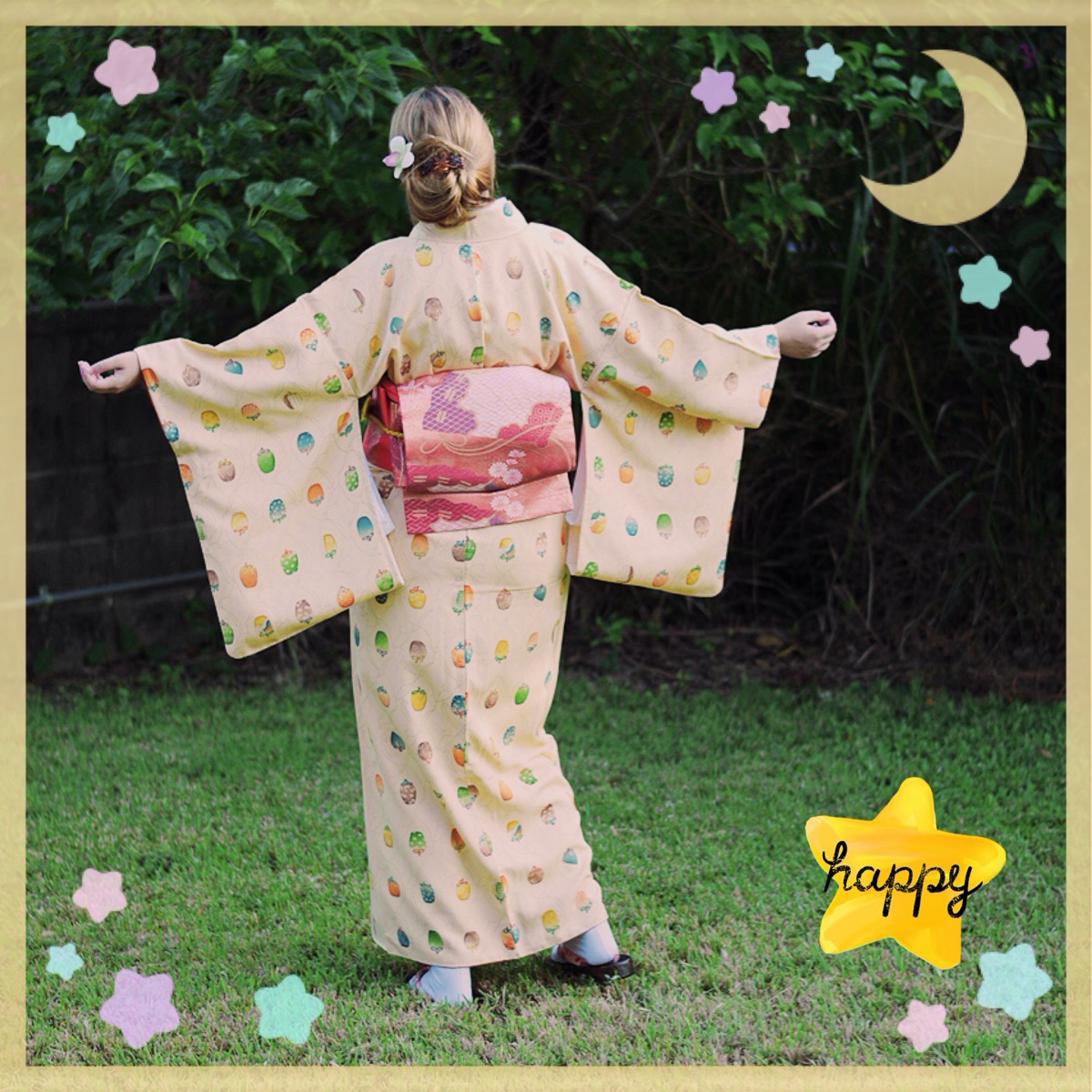
For my first time dressing and wearing kimono, I unfortunately did not bother much with hair and makeup, or even accessories… I was just sort of happy I got everything looking close to decent. I need to adjust the taiko musubi with more height, but otherwise everything else seemed to work nicely. As far as matching season, rank, etc… well I looked at some charts, and it appears that perhaps I have done O.K. Yellow, Gold and Orange are autumnal colors, matched with a komon kimono 小紋着物 (patterned kimono, best for informal wear or everyday wear, but also okay for New Years! however not for graduations, weddings or ceremonial events). I used a Nagoya obi, which also matches for the same occasions as a komon kimono (but again, not appropriate for formal events). I picked up the Nagoya obi at a second hand store, I just loved the momiji/kaede (maple leaves) with the kiku (chrysanthemum) and the fans in the orangey fall colors. I thought it would be lovely with the yellow kimono and appropriate for the season. Next time I will try my dark green fukuro obi for a slightly different look.

Version 2

img_6483
finally put it together

Since this first time, I have added several things to my “collection” both purchased or handmade… various obi-dome (ornaments for the obi-jime), obi-jime (decorative cords), obi-age (cloth), kinchaku (Japanese-style bag) and basket, different colors of haneri (collar), kanzashi (hair ornaments, also can use with the obi) and obi-kazari, different color tabi (socks), and of course a few different kimono and obi. It gives you a chance to explore different styles for different occasions; the possibilities are endless.